
Nov 23, 2026 | Clinical Study, News
If your veterinarian has mentioned regenerative medicine for your horse, seven questions can help you understand the plan: what the diagnosis is, which options fit it, whether an option uses your horse’s own tissue or donor tissue, whether it contains living...

Nov 18, 2026 | Clinical Study, News
To read equine regenerative medicine research well, look past the abstract to three details: the study design, the number of horses in each group, and what was measured and by whom. What Are the Main Study Types? Study design sets the limit on what a study can show....
Nov 8, 2026 | Clinical Study, News
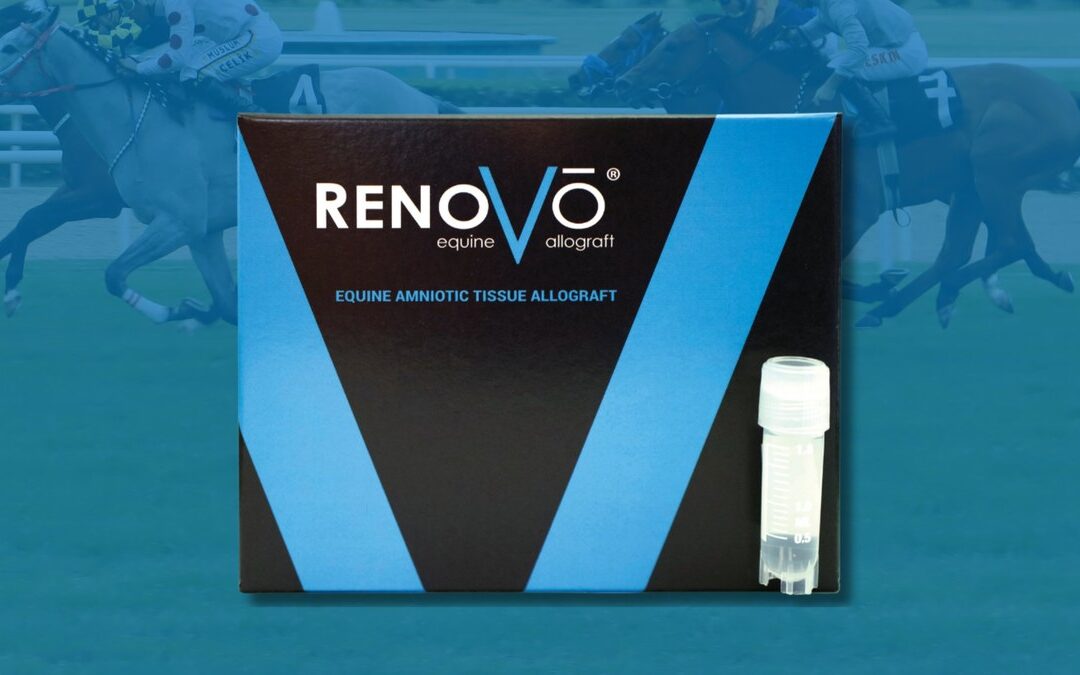
When evaluating an equine allograft, veterinarians should consider five areas: how the donor tissue is recovered, the standard it is processed under, whether it contains living cells, how it is stored and prepared, and what the published evidence reports. A good...
Nov 3, 2026 | Clinical Study, News
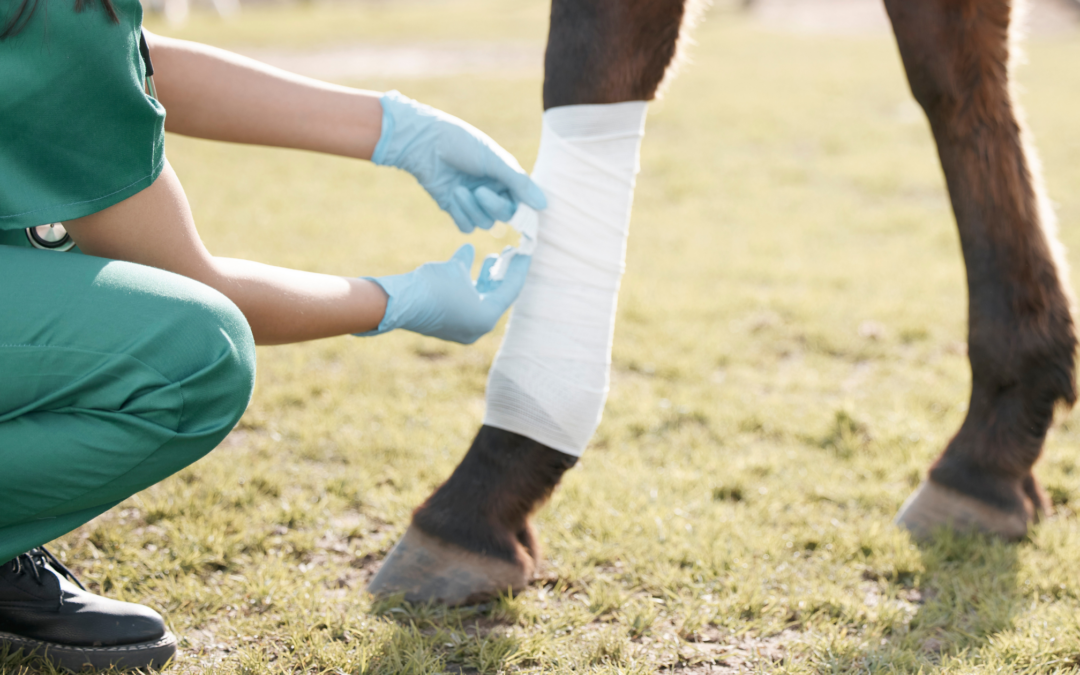
When a horse experiences a tendon injury, joint inflammation, or other tissue related condition, veterinarians have several regenerative therapy options to consider. PRP, IRAP, and stem cell therapy are all autologous options, which means each one is made from the...

Nov 3, 2026 | Clinical Study, News
When your horse has an injury or condition that may benefit from additional support for healing, your veterinarian may discuss amniotic tissue therapy as an option. But what exactly is amniotic tissue, how does it work, and most importantly, is it safe for your horse?...

Aug 6, 2026 | Clinical Study, News
If you have searched for an alternative to PRP, IRAP, or stem cell therapy for a horse that is not responding to care, you have probably come across RenoVō®. It is a liquid, acellular equine amniotic tissue allograft that supplements and protects tissue, and it is...