When a horse experiences a tendon injury, joint inflammation, or other tissue related condition, veterinarians have several regenerative therapy options to consider. PRP, IRAP, and stem cell therapy are all autologous options, which means each one is made from the horse’s own blood or tissue. PRP concentrates platelets from a blood sample. IRAP incubates blood to produce a serum high in IL-1ra, a protein that blocks a key inflammation signal. Stem cell therapy uses cells collected from bone marrow or fat, which are often grown in a laboratory before use. They differ in preparation time, typical use, and how much they vary from horse to horse. But there is another approach: RenoVō®, a liquid, acellular equine amniotic tissue allograft designed to supplement and protect tissues.
Unlike autologous therapies, RenoVō® is derived from donor equine amniotic tissue. This means there is no blood draw, bone marrow collection, or fat harvesting from the horse, and no waiting for a laboratory to prepare the product.
Understanding how these options differ can help horse owners have more informed conversations with their veterinarians about available treatment approaches.
What Is RenoVō®?
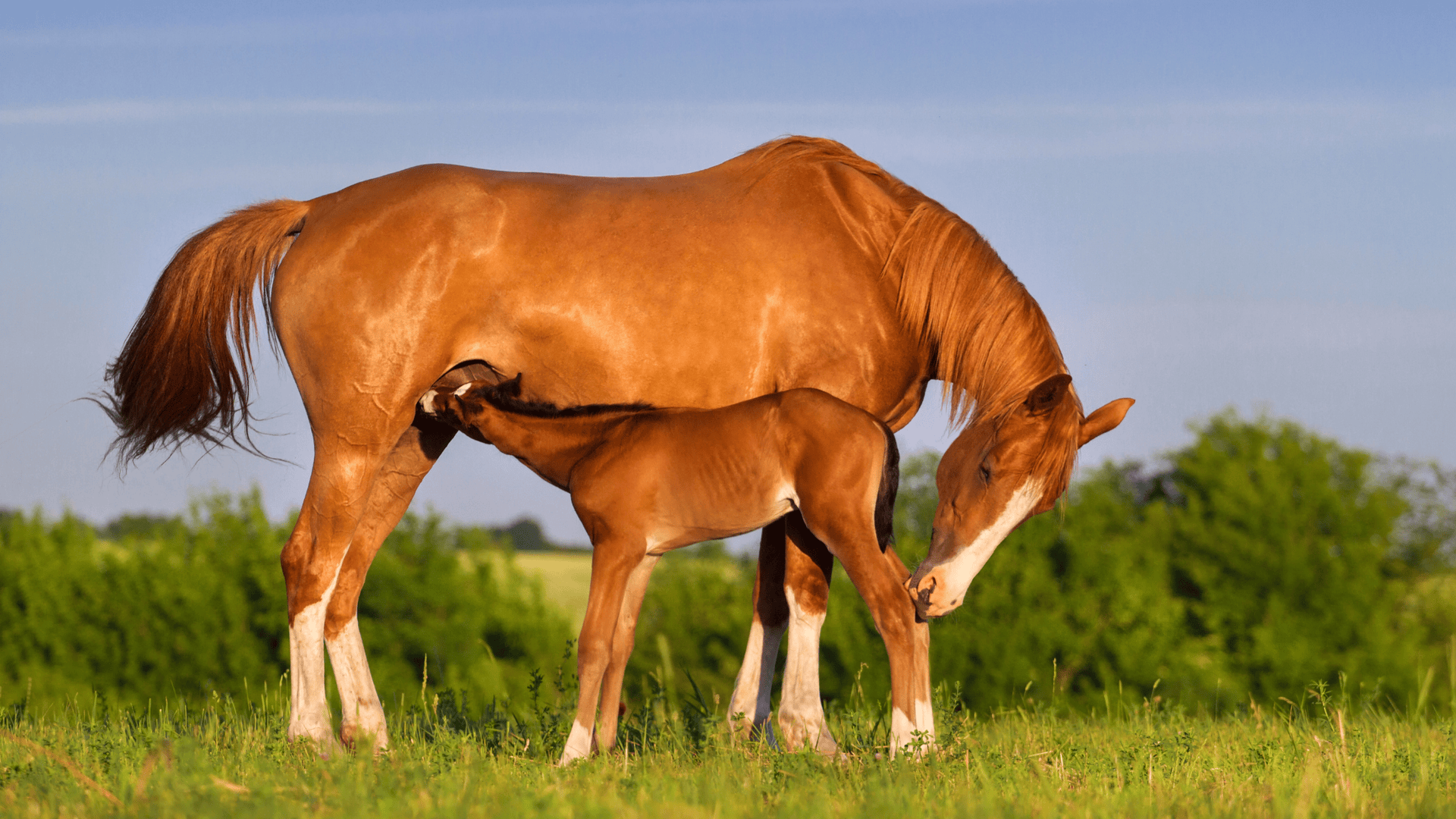
RenoVō® offers a different approach to equine regenerative care. Rather than relying on biological materials collected from the individual horse, RenoVō® uses equine amniotic tissue recovered during live birth without harm to the mare or foal.
RenoVō® is a liquid, acellular equine amniotic tissue allograft intended to supplement and protect tissues. It is cryopreserved, shipped frozen, and thawed at the veterinary clinic before use.
Key characteristics include:
- No collection procedure: No blood draw, bone marrow aspiration, or fat harvesting is needed from the horse.
- Ready to use format: No individual laboratory expansion or processing period is required.
- Consistent formulation: Its donor derived composition does not depend on the individual horse’s age, health, or blood composition.
- Multiple vial sizes: Available in 1.5 cc, 3.0 cc, and 5.0 cc formats.
What Is PRP for Horses?
Platelet rich plasma (PRP) is made using a sample of the horse’s own blood. Your veterinarian draws a blood sample, then spins or filters it to concentrate the platelets, which contain growth factors involved in the body’s response to tissue damage.
How long it takes: Usually prepared stallside during the same visit. Commonly used for: Tendon and ligament injuries and some joint cases. What to know: PRP composition can vary between horses and preparation methods. A 2026 study found that standardizing the protocol alone is unlikely to produce a consistent product, since blood varies from horse to horse.1
What Is IRAP for Horses?
IRAP stands for interleukin 1 receptor antagonist protein, and is also known as autologous conditioned serum. Blood is collected from the horse using a specialized system containing coated glass beads. The samples are incubated for approximately 24 hours, allowing white cells to produce increased levels of IL-1ra and other anti inflammatory proteins. The resulting serum is divided into doses and frozen.2
How long it takes: Approximately 24 hours, with multiple doses typically produced from one blood draw. Commonly used for: Joint inflammation and osteoarthritis. What to know: IL-1ra levels can vary depending on the individual horse and the preparation system used.
What Is Stem Cell Therapy for Horses?
Stem cell therapy uses mesenchymal stem cells, usually collected from bone marrow at the sternum or hip, or from fat near the tail head, often under standing sedation.
How long it takes: Bone marrow cells are typically grown in a lab for about three weeks. Commonly used for: Tendon injuries, especially of the superficial digital flexor tendon. What to know: Research on fat derived stem cells suggests their growth and survival may decline as horses age.3
PRP vs IRAP vs Stem Cells vs RenoVō®: Side by Side
| Factor | PRP | IRAP | Stem Cells | RenoVō® |
|---|---|---|---|---|
| Source | Horse’s own blood | Horse’s own blood | Horse’s own bone marrow or fat | Donor equine amniotic tissue |
| Collection | Blood draw | Blood draw | Bone marrow or fat collection under sedation | No collection from the treated horse |
| Preparation time | Same visit | About 24 hours | About 3 weeks if lab grown | Thawed at the clinic |
| Doses | Varies | Often multiple frozen doses | Varies | 1.5, 3.0, or 5.0 cc vials |
| Biological Format | Platelet concentrate | Conditioned serum | Cellular therapy | Acellular tissue allograft |
| Product Consistency | Varies by horse and system | Varies by horse and system | Varies by horse, age, and lab | Consistent formulation |
How Do Veterinarians Choose Between Them?
There is no single best option. Your veterinarian weighs the type, location, and severity of the injury; how quickly care needs to begin; your horse’s age and health; whether a collection procedure is practical; and cost and competition schedule. Some cases use more than one approach over time.
Frequently Asked Questions
Is RenoVō® different from PRP or IRAP?
Yes. PRP and IRAP are autologous therapies made using the horse’s own blood. RenoVō® is a donor derived, acellular equine amniotic tissue allograft. It does not require blood collection from the treated horse.
Is RenoVō® a stem cell therapy?
No. RenoVō® is an acellular tissue allograft, not a stem cell product. It is derived from donor equine amniotic tissue and is intended to supplement and protect tissues.
Which regenerative therapy is fastest?
PRP is generally prepared during the same visit, while IRAP requires approximately 24 hours of incubation. Laboratory expanded stem cells may take about three weeks. RenoVō® is cryopreserved and thawed at the clinic, without a collection or laboratory expansion step.
Wondering which option fits your horse? Find a veterinarian near you and ask about RenoVō®.
References
- Influence of Manual Double Spin Preparation Protocols on the Cellular and Growth Factor Composition of Equine Platelet Rich Plasma, 2026. PubMed 42791681.
- Camargo Garbin L, Morris MJ. A Comparative Review of Autologous Conditioned Serum and Autologous Protein Solution for Treatment of Osteoarthritis in Horses. Front Vet Sci. 2021. Read the study.
- Transcriptional Factors Related to Cellular Kinetics, Apoptosis, and Tumorigenicity in Equine Adipose Derived Mesenchymal Stem Cells Are Influenced by the Age of the Donors, 2025. PubMed 40646808.
This article is for educational purposes and is not a substitute for individualized veterinary advice. RenoVō® is available by prescription and administered only by a licensed veterinarian. Results vary by patient and are not guaranteed. Always refer to the RenoVō® Instructions for Use and consult a licensed veterinarian before pursuing any care.